

I know, I know — it’s probably a little late to still be talking about the “new year.” We’re already nearing the end of the first month, and yes, I’ve been slacking. I didn’t make any grand resolutions anyway. I’ve never really believed in them, mostly because they tend to last about a month, if that.
The year began quietly after a fun, family-filled reunion at the end of December. For the first time in many years, we actually spent New Year’s Eve at home. No big plans, no crowds. And honestly, it felt deserved. Maybe even necessary.
2012 was a full, eventful year for us — a major move to Asia, new schools, new homes, new jobs. Our entire world seemed to complete a near full circle as we moved closer to India, where so much of our journey began. With all that change, it didn’t feel out of place at all to pause, take a breather, and ease ourselves into whatever 2013 had in store.
Now, 27 days into the year, I find myself hoping we approach this new chapter with patience — taking life one day at a time, discovering, learning, and evolving along the way. If there’s one thing this move has taught me, it’s that we never really know what the next adventure will be or when it will arrive. So slowing down and living in the present feels like the right way forward.
One thing I’ve definitely discovered since moving here — perhaps due to the change in pace — is a heightened awareness of what I eat. More vegetables, more fruits, more whole grains, more juices. And smaller meals every two to three hours.
Juicing and smoothie-making (if that’s even a word) are slowly becoming a way of life. My interest was first sparked by the documentary Fat, Sick and Nearly Dead, and I decided I would finally invest in a juicer once we moved to Singapore. I started with a Philips centrifugal juicer, which worked well — until I fell down the rabbit hole of centrifugal versus masticating versus slow juicers.
Thanks to my dear friend Pushita, a health and wellness counselor, I was introduced to the science behind juicing — which juices heal, which energize, and how alkalinity plays a role in overall health. Researching juicers soon became a newfound passion. I somehow evolved from a gadget geek into a full-fledged juicer geek. Yes, there are apps and Facebook groups dedicated to juicing, in case you were wondering.
My New Year’s gift to myself — and the family — was a Hurom Slow Juicer. It was definitely an investment, considering the price, but a worthwhile one. I’ll let you read about the differences between centrifugal and slow juicers on your own, but in short: slow juicers extract more juice, produce less pulp, and significantly reduce oxidation. That means the juice stays fresher longer, especially when stored in glass bottles in the refrigerator. And the taste? As fresh as it gets.

I’m officially hooked. Juices and smoothies are now staples in our home. I make it a point to include vegetables even in fruit juices — drinking 100% fruit juice every day isn’t ideal due to the sugar content. Adding celery, spinach, or kale works beautifully and doesn’t overpower the flavor at all.
So here’s the start of what will likely become a series of juice and smoothie posts.
- Day 1: Seeds of 2 pomegranates with 2 celery stalks
- Day 2: Orange, carrot, celery, tomato, ginger, and lemon

- Day 3: Carrot, passion fruit, and celery

Before long, I was completely on a roll — until I realized I was collecting a lot of pulp. This was different from the pulp produced by the Philips juicer. The Hurom extracts almost all the juice, leaving behind very dry pulp. Still, I couldn’t bring myself to throw away carrot or apple pulp.
Here are a few ways to use leftover juicer pulp:
- Use it as compost for plants
- Store pulp in airtight containers or freezer bags and freeze
- Use vegetable pulp (celery, carrot, spinach, kale) to make vegetable stock
- Boil the pulp in 2–3 times the amount of water with a pinch of salt and pepper
- Let it simmer until the pulp floats
- Strain and use the liquid for soups, gravies, or sauces
- Freeze the stock in ice trays for later use
- Use fruit pulp in cakes or muffins
- Add a portion of pulp back into smoothies
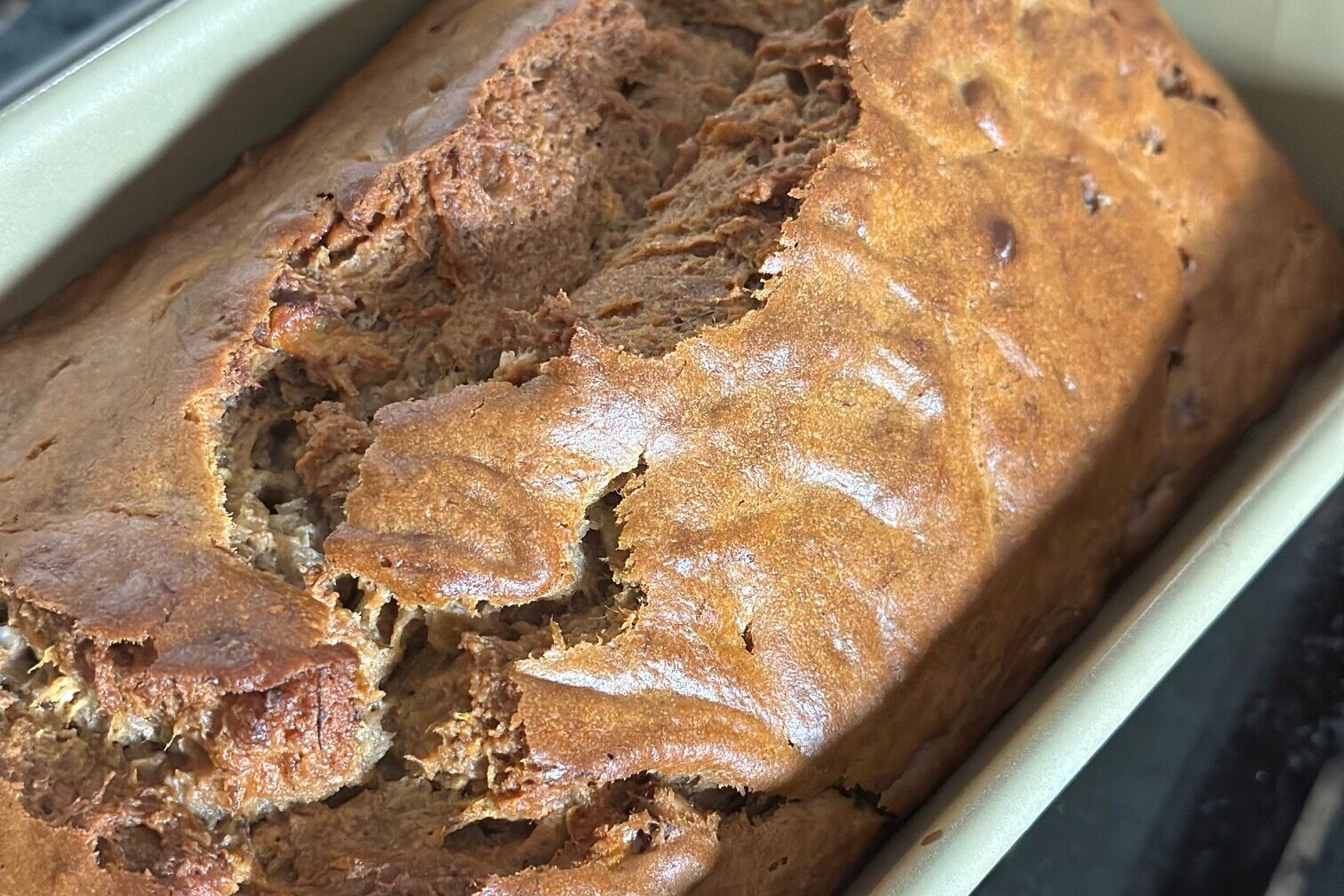
With the carrot and green apple pulp I had on hand, I baked a carrot apple cake. The best part? It was eggless and vegan. I used flaxseed meal as an egg substitute, added dried fruits, and folded in nearly two cups of pulp. It turned out to be the moistest cake I’ve ever made. The recipe was adapted from The Joy of Vegan Baking by Colleen Patrick-Goudreau.
Carrot Apple Vegan Cake

Ingredients
(For one 9-inch cake)
- 3 tbsp ground flaxseed
- 1/2 cup water
- 2/3 cup olive oil
- 1 cup carrot pulp
- 3/4 to 1 cup apple pulp
- 1 cup chopped walnuts
- 1/4 cup raisins
- 1 1/3 cups all-purpose flour
(You may substitute 1/2 cup with wheat flour) - 1 cup demerara sugar
- 1 1/2 tsp baking soda
- 1 tsp baking powder
- 1 tsp ground cinnamon
- 1/2 tsp ground cloves
- 1/2 tsp grated nutmeg
- 1/2 tsp ground allspice
- 1/2 tsp salt
Optional: Cream cheese frosting, though I skipped it to avoid adding more sugar.
Method
- Preheat the oven to 350°F (180°C).
- Grease a 9 x 9-inch square cake pan.
- Whisk together the ground flaxseed and water until frothy and creamy, about 2 minutes.
- Transfer to a stand mixer, hand mixer, or food processor. Add the olive oil and mix on low speed until combined.
- Add the carrot pulp, apple pulp, walnuts, and raisins, and stir to combine.
- In a separate bowl, mix all the dry ingredients together.
- Add the dry ingredients to the wet mixture and stir gently until just combined.
- Pour the batter into the prepared pan and spread evenly.
- Bake for 30–35 minutes, or until a toothpick inserted in the center comes out clean.
Let the cake cool for 15 minutes, invert, cool completely, and cut into squares.

When my husband got into juicing, the pulp was the biggest issue in our family. I tried a couple of things, but they didn’t work well at all. I’ll give the stock and baking a go now. Thanks for these tips!
You’re welcome Priya. Let me know how it works out. Nice to see another juicing family:)
Juicing is something that I just started looking into in the new year and your write up couldn’t have come at a better time. Trying to dig into all the good information you have posted!
Surekha – I’m planning to start and link to another tumblog with everyday juice and smoothie recipes. Will let you know when that happens:)